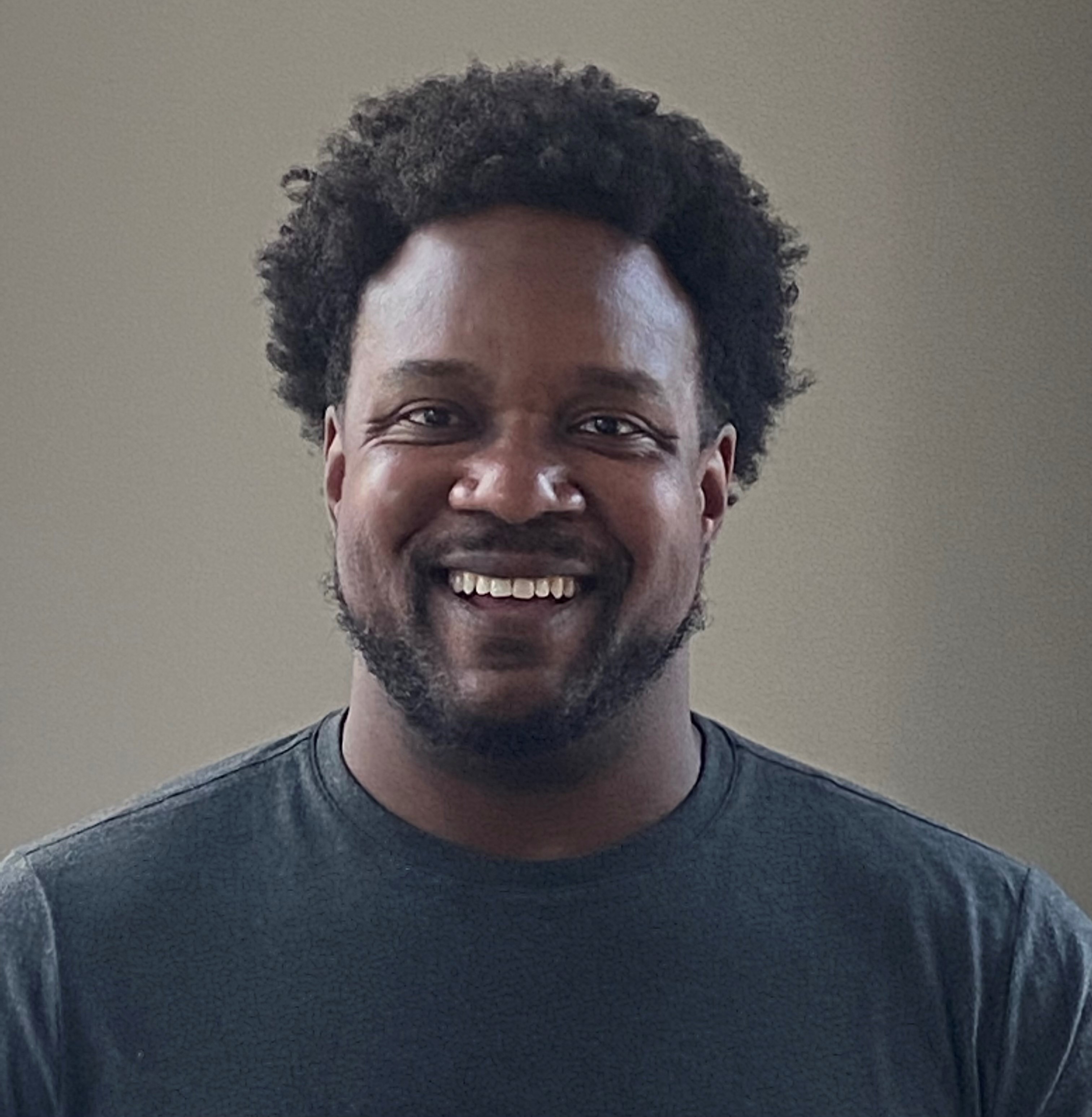
 The 2024 Minnesota Teacher of the Year will be named at a ceremony in St. Paul on May 5, and Harding High School math teacher Michael Houston, the 2023 award winner, will be the one to make the big announcement.
The ceremony will mark the end of a momentous year for Houston, a member of the St. Paul Federation of Educators who also works as adjunct professor at Concordia, teaching math classes to prospective elementary teachers. Houston discussed his experience – and how he tried to use the platform – in this Union Advocate interview, which has been edited for length and clarity.
UA: What’s been your role in the process of naming a new teacher of the year, beyond making the announcement?
MH: As the incumbent, I am a part of the interview panel… Once they have all the applicants, we kind of go through and rate our top 40 or 50 applicants, and from there pull out a number of semifinalists. People who are part of the panel then do a two- or three-minute interview with them, and we rank the top 10 to come up with the finalists. On the Saturday of Teacher Appreciation Week, the finalists come in and do an interview with the panel for a half hour. And on Sunday during the ceremony, I’ll give a speech, and then name the 2024 Teacher of the Year.
UA: That sounds like a lot of interaction with your peers. What has struck you during those conversations?
MH: It’s only affirmed all the thoughts I’ve had that we have passionate educators in this state who want what’s best for their students. And along the way I’ve met even more amazing and inspiring future educators while visiting colleges and high schools where students are enrolled in career pathway courses. I think we’re in good hands.
UA: What’s your message to aspiring educators?
MH: In my teaching I’m pretty straightforward and upfront. I keep it real, and I try to do that when I’m talking to prospective educators as well. I generally share my own personal educational journey because that may resonate with many of the audiences. I talk about the tenets of teaching: opportunity, being creative with your curriculum and, most important, legacy.
UA: What was the experience like as a finalist?
MH: Last year was my second time being a finalist; I was a finalist in 2017 as well. But the first time was a whirlwind. In that short weekend you really build a bond with those finalists; you quickly learn a lot of the commonalities that you see among great educators. You see the best teachers in our state and how they’re advocating for our students and our profession. It’s a life-changing event.
UA: Since winning the award, how have you tried to use the platform that comes with it?
MH: My passion work is making math more equitable for students that we serve. A lot of the math that we teach is geared toward students who are aspiring to attend college, but many of our students aren’t aspiring to be college students. So I’ve tried to incorporate personal finance and financial literacy into my curriculum, to use mathematics that will help students navigate the world in which we live. Minnesota legislators just passed a law where students, starting in 2027, will need to take a personal finance course as a graduation requirement. That really ties right in with my work.
It’s also been part of my platform to speak about having more mental health services in our schools and recruiting and retaining teachers of color… But over the course of the year, what I noticed was that my platform sort of shifted to advocating for the profession, particularly around the collective bargaining that was going on. I tried to shine a light on all those districts where contracts were unsettled at the time, including St. Paul.
School districts are getting record funding, yet the compensation and benefits for teachers haven’t increased along with it. I think teachers aren’t feeling valued, especially when we are the ones on the front lines dealing with the aftermath and the trauma of COVID.
UA: Is there a moment over the last year that will always stand out in your memory?
MH: Probably not a specific moment, but what I really appreciate is running into former students when I visit a college, when they come and listen to my stories and share how much of an impact I’ve had on their lives. Teaching has felt like a thankless job over the last decade. When a teacher hears they’re doing something right and has an impact, it feels meaningful.
 Union Advocate