 An independent report issued last month by North Star Policy Action digs into the factors behind Minnesotans’ rapidly rising healthcare costs, warning that proposed health-system acquisitions could make things worse.
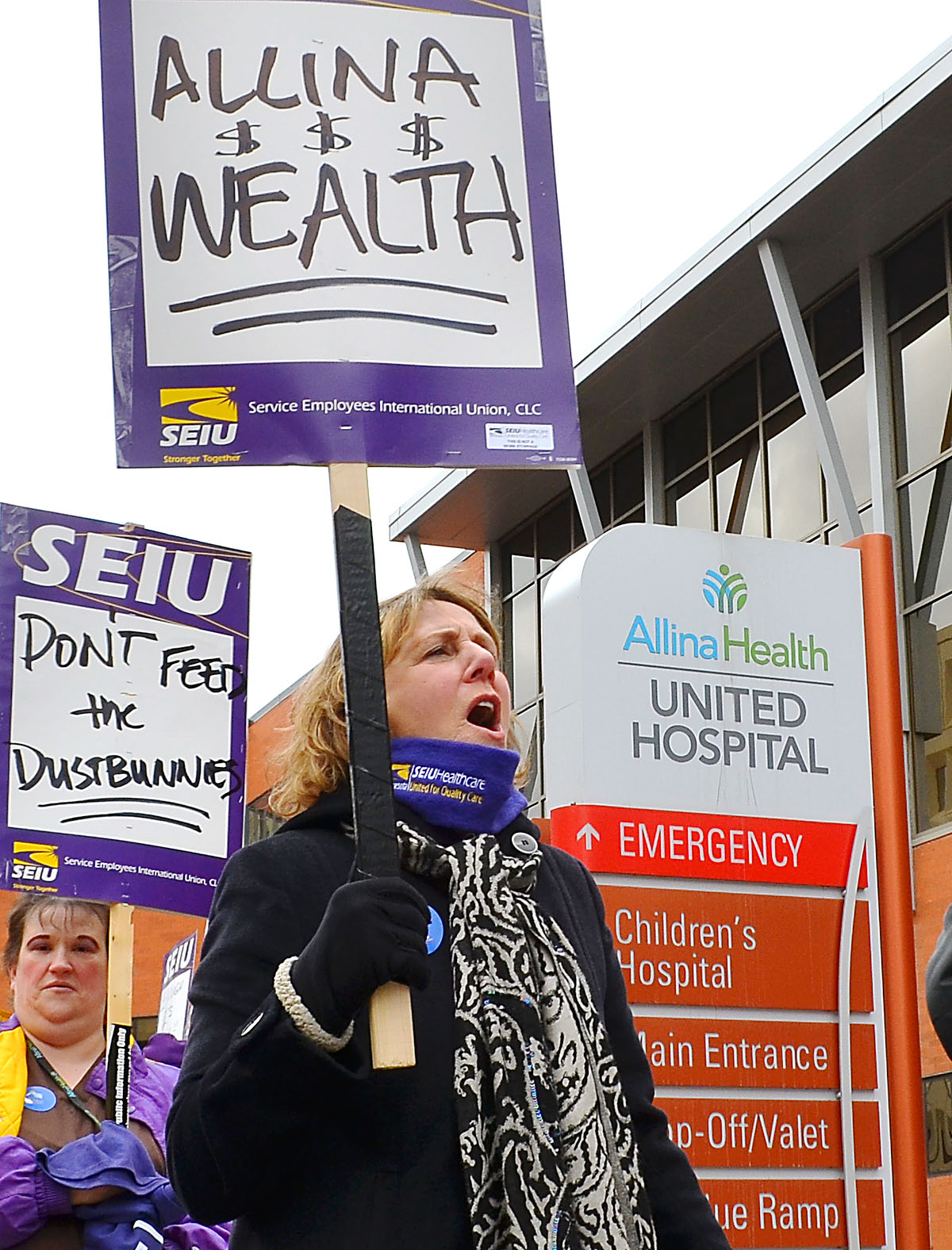
The report comes as two Minnesota-based health systems, North Memorial and Allina, are in the process of being sold to South Dakota-based Sanford and California-based Sutter, respectively.
Aaron Rosenthal, research director at the progressive research institute, said those transactions warrant public scrutiny, as they would further a trend of consolidation in the state’s healthcare industry. Twenty years ago, he said, two-thirds of Minnesota providers were independent; today two-thirds are part of a larger system.
Consolidation, he added, “decreases competition and leads to bigger players, who use their increased power to charge patients more.”
The report, “Rising Health Care Spending in Minnesota,” found that specialists in health systems charge 16-20% higher prices for services than independent practices.
Another key finding: healthcare spending in Minnesota increased by 15% between 2019-2023, despite Minnesotans utilizing healthcare services at a lower rate, 3.5% less. Over the same period, hospitals’ operating costs increased by 87%, while their charges for services increased by 116%.
When hospitals charge more for services, of course, insurance companies pass along those higher costs to their customers.
“Most people are quick to blame health insurance companies for their high premiums,” report co-author Jen Schultz, an economics professor at the University of Minnesota, said. “But folks only need to look at their bill or (explanation of benefits) to see another reason: high hospital prices.”
The report found that employee contributions toward health insurance premiums in the state grew 67% over the last 11 years, far outpacing the state’s 42% wage growth.
That means the cost of keeping health insurance has “essentially eroded workers’ wages,” Schultz said.
Minnesotans who purchase their own health insurance are facing even steeper price increases – as much as 54% this year – as federal subsidies that helped reign in marketplace premiums expire.
Data released by the state’s health exchange, MNsure, a week after North Star Policy released its report showed about 17,000 fewer people purchased insurance coverage this year, a decrease of 12% from 2025.
That won’t help contain prices, according to Rosenthal.
“Keeping Minnesotans insured is itself a cost-control strategy,” he said. “Every person who loses coverage … drives up hospitals’ uncompensated care costs.”
The report includes policy recommendations that, the authors argued, could help contain Minnesota’s healthcare spending.
Not surprisingly, hospitals are the target of most proposals. In addition to keeping people insured and addressing the rate of consolidation in the industry, state lawmakers could take aim at hospital prices more directly, authors said.
Indiana recently passed a law capping what its five largest hospital systems can charge patients covered by employer-sponsored insurance plans for certain procedures. If the providers fail to meet the new caps by 2029, they risk losing their tax-exempt status.
Other states have looked to leverage their public employees’ health plans to drive down hospital prices, tying reimbursement rates to those paid by Medicare. Costs for privately insured patients are roughly three times higher than Medicare rates, Rosenthal said.
“The worst thing we could do is treat rising healthcare spending as inevitable,” Rosenthal said. “Federal policy has put Minnesota in a tough spot to be sure. Even so, we have the power to make healthcare more affordable for working families in this state, and we should use it.”
Read the full report on North Star Policy’s website.
– Michael Moore, UA editor

